𝐖𝐡𝐞𝐧 𝐚 𝐍𝐚𝐭𝐢𝐨𝐧 𝐇𝐨𝐧𝐨𝐫𝐬 𝐈𝐭𝐬 𝐌𝐞𝐦𝐨𝐫𝐲-𝐊𝐞𝐞𝐩𝐞𝐫
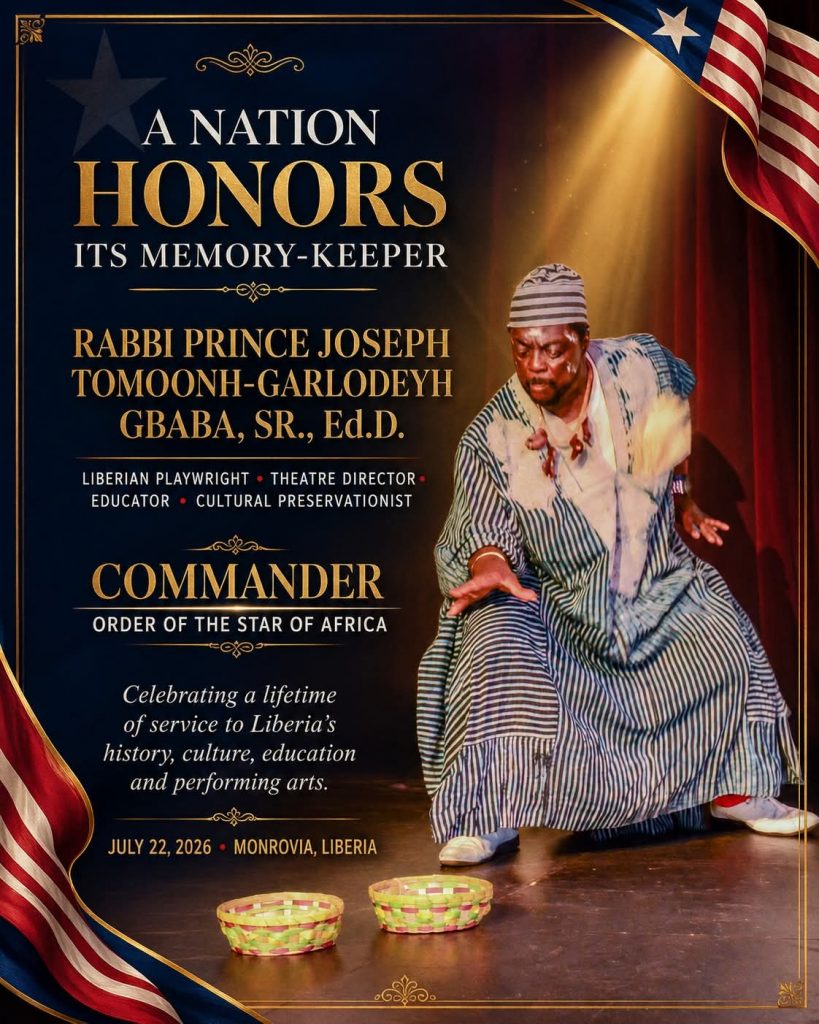
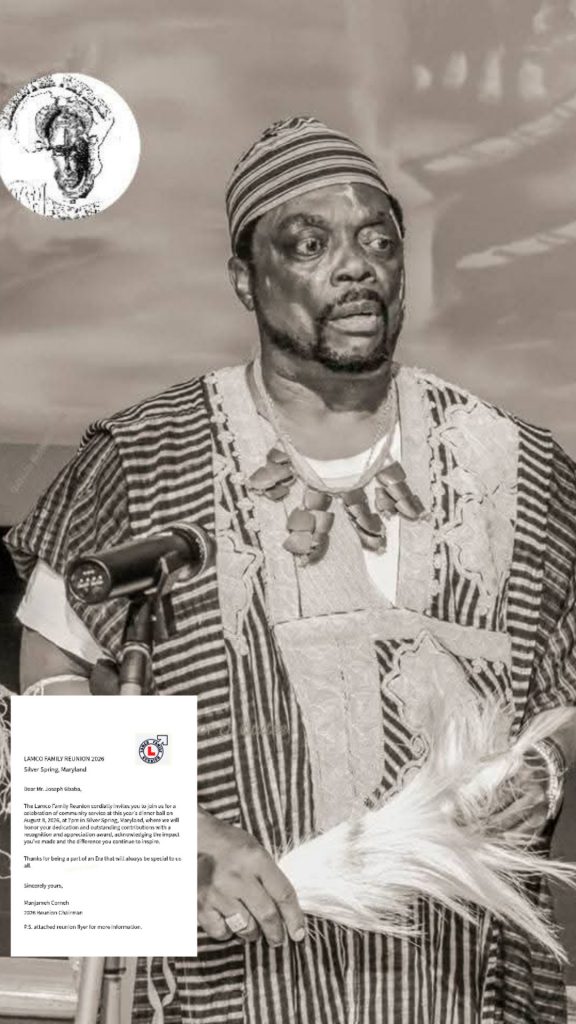
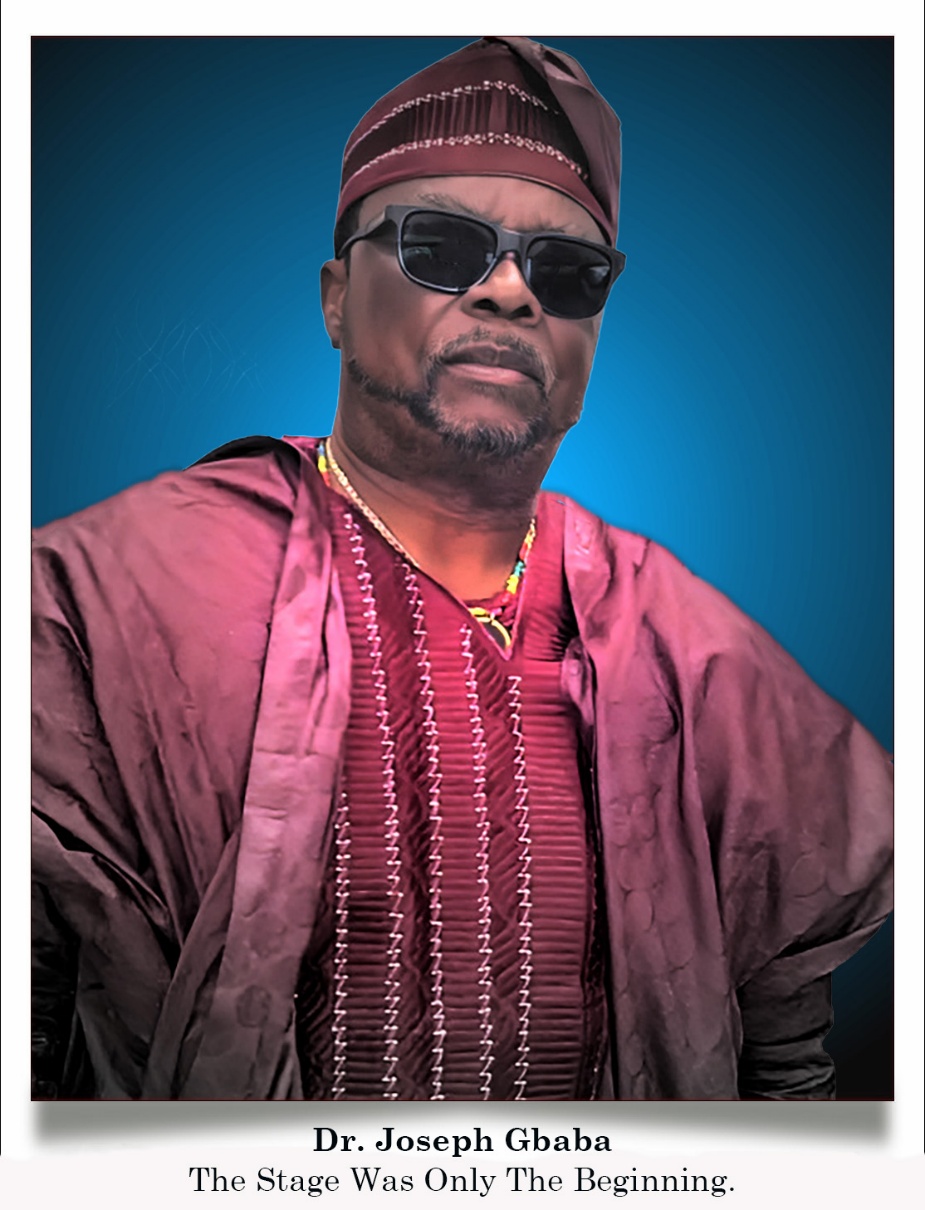
According to a communication dated July 8, 2026, from Liberia’s Ministry of Foreign Affairs, President Joseph Nyuma Boakai, Sr. is scheduled to confer upon Rabbi Prince Joseph Tomoonh-Garlodeyh Gbaba, Sr., Ed.D., the distinction of Commander in the Order of the Star of Africa on Wednesday, July 22, 2026, at 4:00 p.m., at the Ellen Johnson Sirleaf Ministerial Complex in Congo Town, Monrovia. 𝑻𝒉𝒊𝒔 𝒊𝒔 𝒏𝒐 𝒐𝒓𝒅𝒊𝒏𝒂𝒓𝒚 𝒄𝒆𝒓𝒆𝒎𝒐𝒏𝒊𝒂𝒍 𝒅𝒆𝒄𝒐𝒓𝒂𝒕𝒊𝒐𝒏.
The Order of the Star of Africa is one of Liberia’s historic national orders. Established in 1920, it recognizes distinguished service to Liberia or Africa, including exceptional contributions to public service, the arts and the sciences. The grade of Commander therefore represents a serious national acknowledgment of a lifetime devoted to scholarship, education, theatre, literature, cultural preservation and service to humanity.
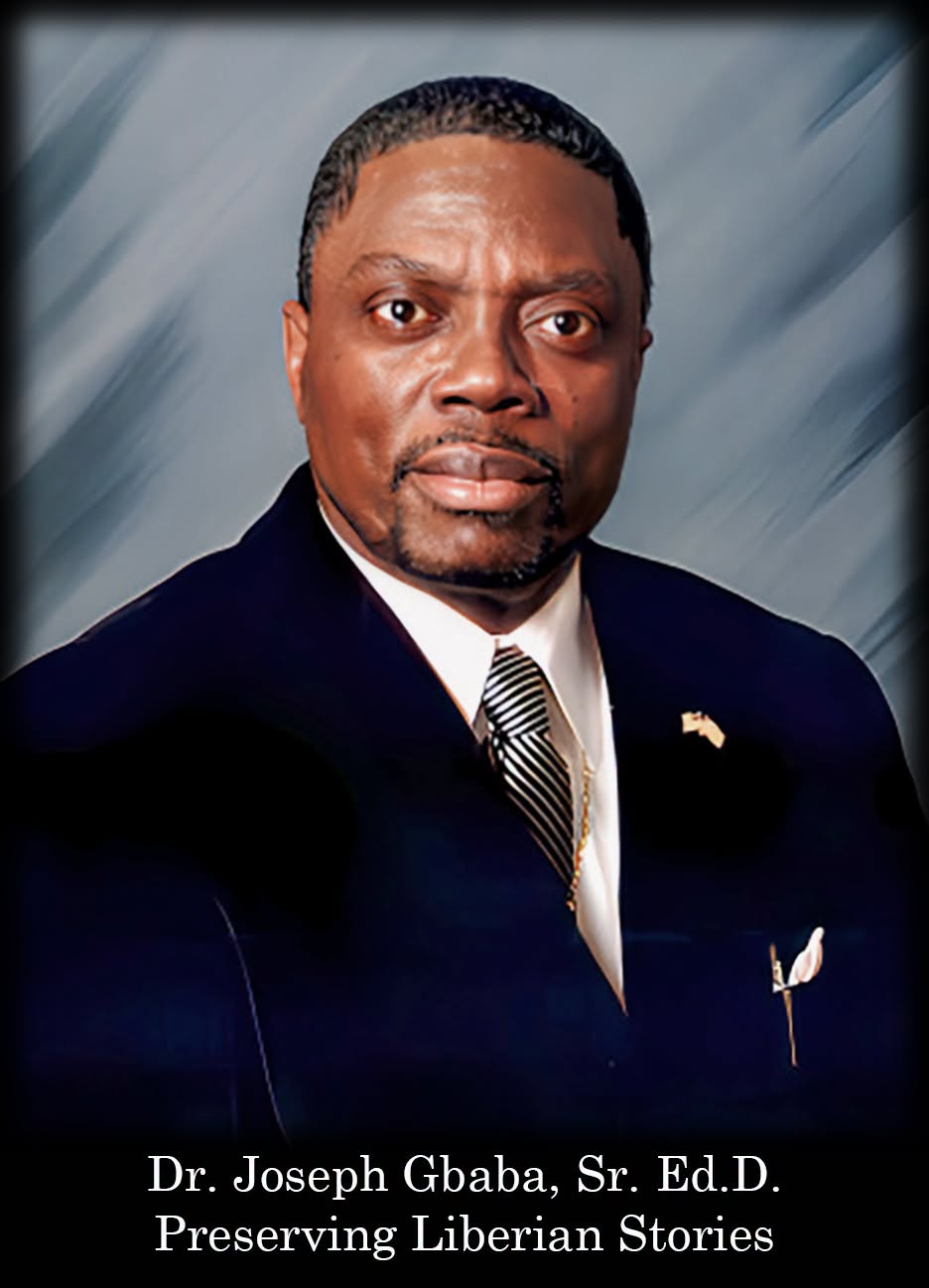
For Grand Gedeh County, this impending honor is particularly remarkable. It celebrates a distinguished Liberian whose life and creative identity are deeply connected to Grand Gedeh and the Krahn cultural heritage. But Dr. Gbaba’s significance cannot be confined to one county or one ethnic community. He belongs to Liberia. He is one of the custodians of our collective memory.
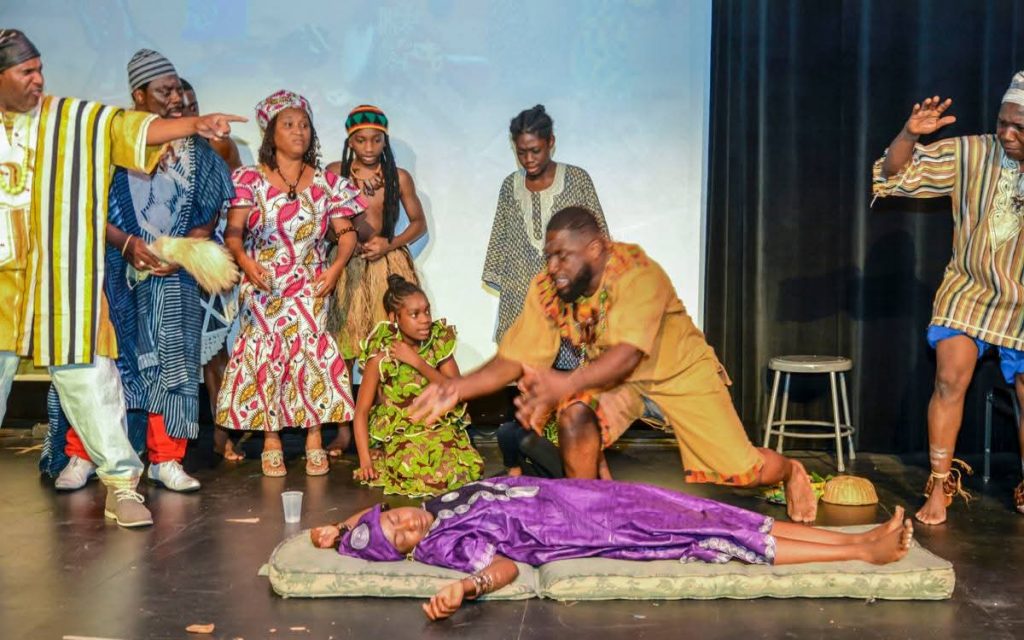
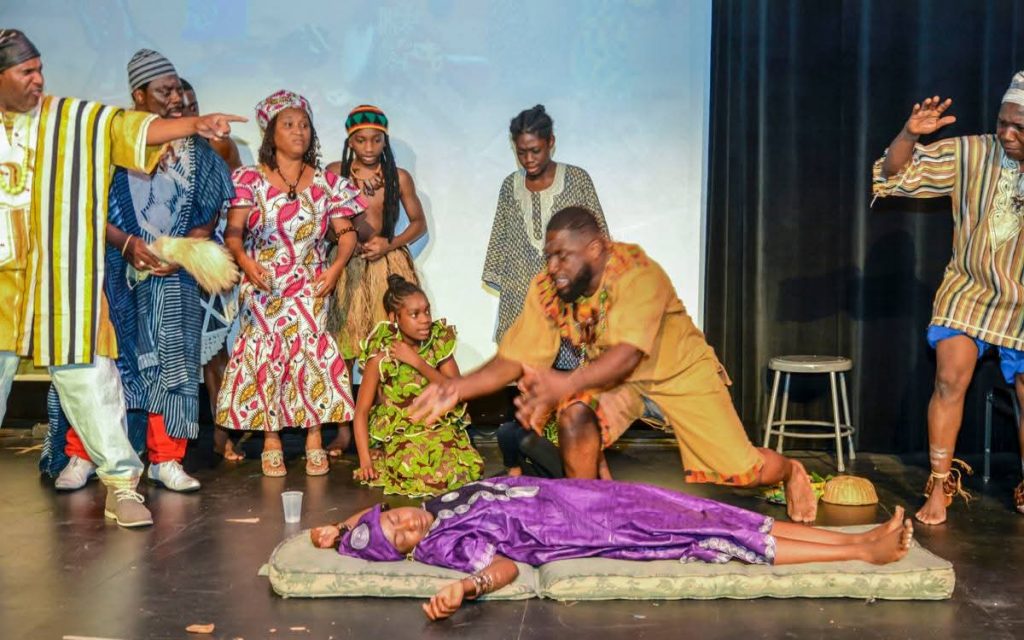
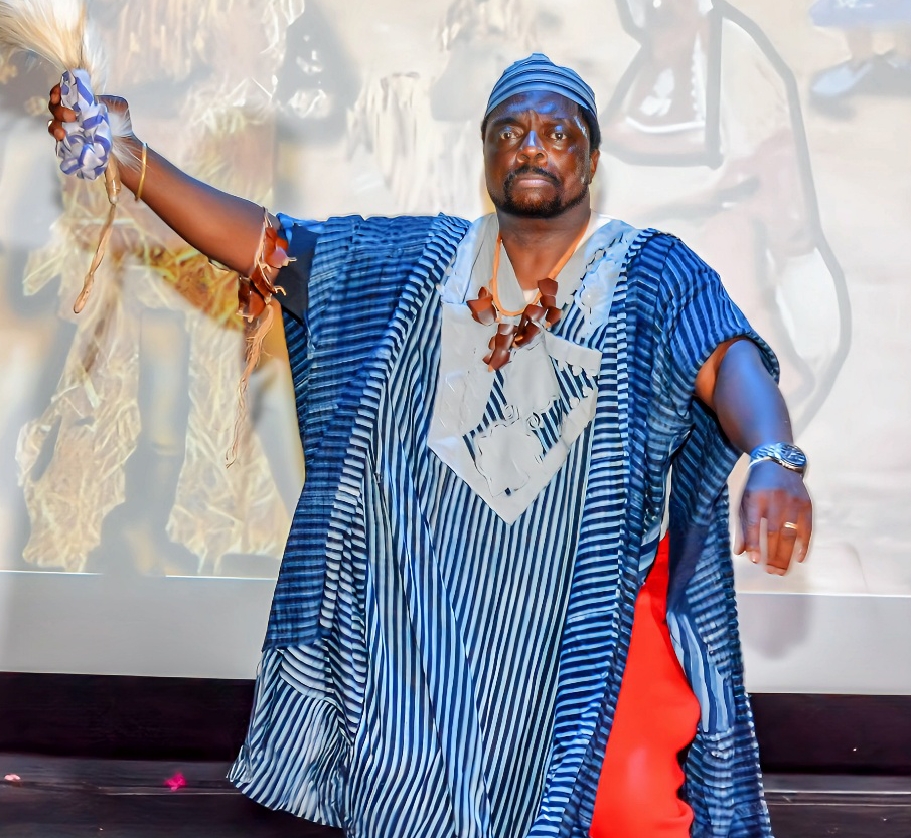
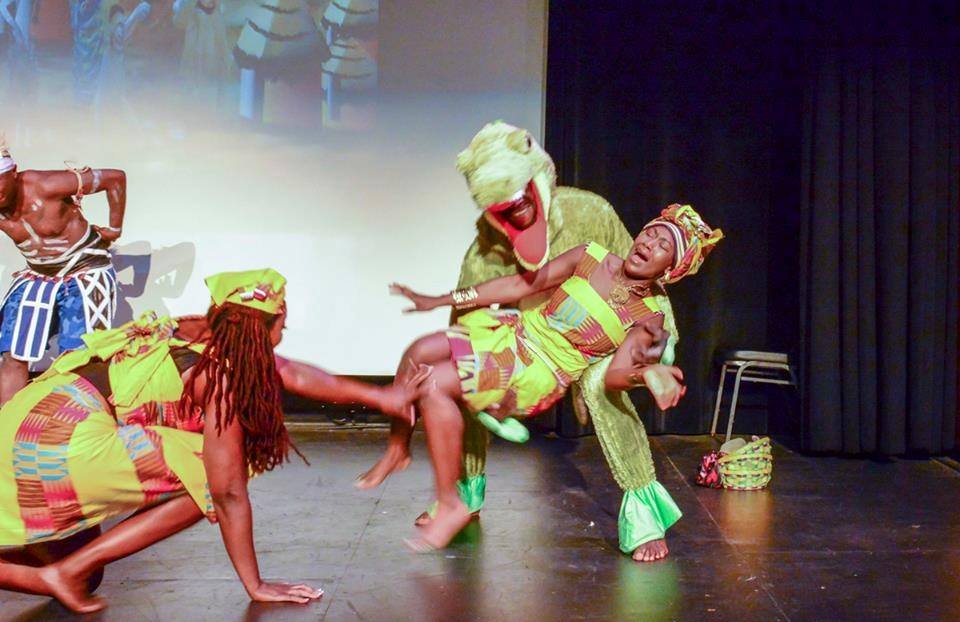
𝑴𝒐𝒓𝒆 𝒕𝒉𝒂𝒏 𝒇𝒊𝒇𝒕𝒚 𝒚𝒆𝒂𝒓𝒔 𝒐𝒇 𝒄𝒖𝒍𝒕𝒖𝒓𝒂𝒍 𝒍𝒂𝒃𝒐𝒓Dr. Gbaba’s documented theatrical journey began while he was still a student at Carroll High School in Yekepa. The University of Zurich’s Liberian Literature Project catalogs his 1974 play, Kekula at the End of His Course of Study, as well as later works including Chains of Apartheid from 1977, Zon Ninneh Taryee and The Resurrection. This independent academic record is particularly important because it places his work within the documented history of Anglophone Liberian literature. University of Zurich’s bibliography of Liberian literatureIn 1977, Dr. Gbaba founded Dehkontee Artists Theatre at the University of Liberia. Through that institution, he trained performers and created a platform for presenting Liberian experiences through drama, music, dance and storytelling.
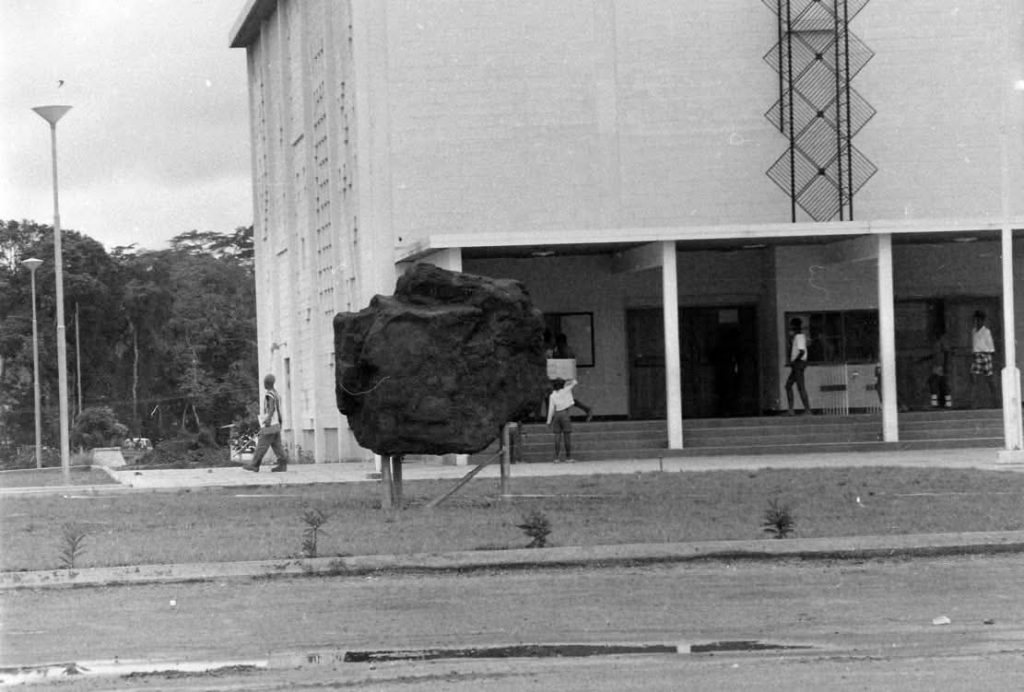
One of the most moving dimensions of Dr. Gbaba’s work is that he did not abandon culture when Liberia entered its darkest period. During the civil crisis, when violence was destroying institutions and suspicion was separating communities, Dehkontee Artists Theatre reportedly used performance to promote peace and reconciliation. In 1992, amid the instability of the civil-war era, Dr. Gbaba staged The Minstrel’s Tales and The Resurrection at the Centennial Memorial Pavilion in Monrovia. That matters profoundly.When guns were attempting to define Liberia, Dr. Gbaba insisted that theatre, history and culture could still speak. When the country was being divided along political and ethnic lines, he assembled artists around stories that appealed to conscience, faith and shared humanity.
𝑾𝒉𝒚 𝒕𝒉𝒊𝒔 𝒏𝒂𝒕𝒊𝒐𝒏𝒂𝒍 𝒉𝒐𝒏𝒐𝒓 𝒎𝒂𝒕𝒕𝒆𝒓𝒔:
President Boakai’s decision to honor Dr. Gbaba communicates several important messages. First, it declares that nation-building is not undertaken only by presidents, legislators, soldiers, engineers and businesspeople. Artists, teachers, writers, historians and cultural workers also build nations. Second, it recognizes labor that is often performed without adequate financial support or public attention. Liberia frequently applauds entertainers when they become popular, but it does not always sufficiently honor the people who build cultural institutions, train generations of performers, document history and preserve indigenous knowledge.Third, the recognition elevates the national importance of Grand Gedeh County. A son of the county’s cultural heritage is being honored not because he abandoned his identity, but because he used that identity as one foundation from which to serve the entire nation.Dr. Gbaba demonstrates that one can be proudly Krahn and completely Liberian; deeply rooted in Grand Gedeh and internationally accomplished; a custodian of a particular heritage and simultaneously a servant of national unity. That is the Liberia we must build—a country in which our ethnic identities enrich our citizenship instead of threatening it.
FULL STORY HERE:
https://www.facebook.com/share/p/1KiyhH1qsu/